YOUR FIRST-JOB ERA LOOKS GOOD ON YOU. ✧ MEET PROMISS

Author: coAI Admin

  • Hair, face & neck

    ← Back to Head-to-toe care
    THE PROMISS PLAYBOOK · PRACTICAL GUIDE

    Hair, face & neck

    Hair, face and neck do not need a dramatic makeover for your first offer. A sustainable routine should leave room for the rest of your life.

    SHORT ON TIME? START HERE
    1. Choose a hairstyle you can comfortably maintain during your workday. Keep hair accessories practical for your role.
    2. Keep skincare simple and follow product directions. Extend your usual care to the neck where appropriate.
    3. Avoid spraying fragrance into shared spaces; consider fragrance-free workplaces and colleagues’ sensitivities.
    4. Adjust routines to your hair texture, skin needs and time. There is no one professional look.

    Choose hair care for your own texture

    Natural curls, braids, short styles, covered hair and tied-back styles can all be professional. Plan around your hair’s needs, not the idea that one texture is neater. Follow relevant safety and hygiene rules when tasks require hair to be secured.

    Keep face and neck care manageable

    Use a simple routine you tolerate and follow product directions. Include exposed neck areas in sun protection rather than stopping at the jaw. Avoid trying several strong new products at once just before a job starts; it becomes harder to identify what caused discomfort.

    Pack for practical surprises

    A hair tie or clip, tissues and any familiar essentials may be useful. Carry only what solves a real problem. A fragrance spray does not replace washing, and a colleague’s polished appearance does not tell you how much time or money their routine takes.

    PICTURE THIS

    A real-life moment

    Humidity changes your planned hairstyle during the commute. Secure it comfortably if useful and continue with your day. Hair that responds to weather is normal; it is not evidence that you are unprofessional.

    Easy mistakes—and a better starting point

    • Changing natural texture out of pressure.
    • Introducing many products at once.
    • Treating fragrance as a hygiene substitute.
    TRY IT IN REAL LIFE

    Your ready-for-the-day checklist

    Tick what you have tried. Progress stays on this device.

    One small thing to try

    Create a morning routine that still works when you have ten minutes less than expected.

    The questions you might be quietly asking

    How should I style my hair for a first job?

    Choose a comfortable style that stays manageable during your tasks. Natural textures, braids, short hair and simple tied-back styles can all be professional.

    Do I need to straighten my natural hair?

    No. Professionalism does not require changing your natural texture. Follow any relevant hygiene or safety requirements without treating one texture as the standard.

    How do I care for my face and neck simply?

    Keep your routine gentle and manageable, using products that suit your skin and their instructions. Include exposed neck areas in your sun-protection routine.

    Can I use perfume to cover unwashed hair?

    Fragrance is not a substitute for cleaning. Choose a wash or refresh routine suited to your hair and scalp rather than layering scent.

    How do I keep hair away from my face at work?

    Try a comfortable clip, tie or style that does not pull painfully. For machinery or food handling, follow the specific safety and hygiene rules.

    Can you diagnose my scalp or skin problem?

    No. I can explain basic grooming options, but persistent symptoms or sudden changes should be assessed by a qualified clinician.

    MAKE YOUR NEXT VISIT USEFUL

    What would help you next?

    Choose the question closest to your real day.

    The evening reset ↗

    Your first week: a plan you can actually follow ↗

    Saved on this device. Return when you want to practise another step.
  • Workplace fragrance: keep it considerate

    ← Back to Head-to-toe care
    THE PROMISS PLAYBOOK · PRACTICAL GUIDE

    Workplace fragrance: keep it considerate

    A scent should not arrive in the meeting room before you do. In shared spaces, consideration matters more than finding a signature perfume.

    SHORT ON TIME? START HERE
    1. Check your workplace expectations first. Some workplaces ask for fragrance-free routines, especially in close shared spaces or particular roles.
    2. If fragrance is welcome and you choose to wear it, apply sparingly at home according to the product directions. You do not need fragrance to look or feel professional.
    3. Think about the whole routine, including body spray, scented lotion and hair products. Several scented products together can feel stronger than one alone.
    4. Avoid spraying fragrance in lifts, shared desks, meeting rooms or other enclosed areas. Keep touch-ups out of shared workspaces and follow any fragrance-free policy.
    5. If a colleague raises a concern, respond considerately and adjust. A clean, comfortable routine with little or no scent is a perfectly good choice.

    Check the setting first

    Some workplaces are fragrance-free or have specific rules. Think about shared desks, lifts, vehicles and close contact. Wearing no perfume is always an option; it does not make your grooming incomplete.

    Count the whole routine

    Body spray, lotion and hair products may all add scent. If fragrance is permitted, apply sparingly at home according to directions. Avoid spraying at desks or in enclosed shared spaces where people cannot easily move away.

    Respond to feedback calmly

    If someone says a scent affects them, thank them and reduce or stop wearing it at work. You do not need to debate how sensitive they should be. Keep any favourite scent for a setting where it is welcome.

    PICTURE THIS

    A real-life moment

    A colleague mentions that your perfume is strong. Try: “Thank you for telling me. I’ll avoid wearing it here.” A considerate response protects the working relationship better than defending the product.

    Easy mistakes—and a better starting point

    • Layering several strongly scented products.
    • Spraying in meeting rooms.
    • Using fragrance to cover a cleaning need.
    TRY IT IN REAL LIFE

    Your ready-for-the-day checklist

    Tick what you have tried. Progress stays on this device.

    One small thing to try

    Notice all the scented products in your routine, not just the perfume bottle. Decide which, if any, belong at work.

    The questions you might be quietly asking

    Do I need perfume for work?

    No. It is optional, and a fragrance-free routine can be a considerate default in shared spaces.

    How much fragrance should I wear?

    Check policy first. If permitted, use very little and consider how close colleagues sit; a scent you barely notice may still affect others.

    What if my workplace is fragrance-free?

    Follow the policy, including scented sprays or strongly perfumed body products where specified. Ask the employer if the scope is unclear.

    Can I spray perfume at my desk?

    Avoid spraying in shared work areas. Colleagues may have sensitivities and cannot easily choose to leave.

    What if someone says my perfume bothers them?

    Thank them for telling you and reduce or stop wearing it at work. You do not need to debate whether they should notice it.

    Can perfume replace deodorant or washing?

    No. Fragrance adds scent; it does not replace your usual cleaning or antiperspirant/deodorant routine if you use one.

    MAKE YOUR NEXT VISIT USEFUL

    What would help you next?

    Choose the question closest to your real day.

    The evening reset ↗

    Hair, face & neck ↗

    Your first week: a plan you can actually follow ↗

    Saved on this device. Return when you want to practise another step.
  • Shirts: fit, fabric and your first workweek

    ← Back to The style edit
    THE PROMISS PLAYBOOK · PRACTICAL GUIDE

    Shirts: fit, fabric and your first workweek

    The shirt looked perfect standing in the fitting room. Then you sat down. Let us choose for a whole workday, not a photograph.

    SHORT ON TIME? START HERE
    1. Start with an everyday shirt in a colour you enjoy wearing. Ivory, blue, or a subtle stripe can work with several bottoms; your workplace dress code comes first.
    2. Check shoulder seams, sleeve length and the space between buttons. Sit, reach forward and lift your arms: the shirt should feel comfortable and stay closed.
    3. Consider fabric and climate. Breathable cotton or a light blend can suit warm commutes; check opacity in daylight and choose a comfortable layer underneath if wanted.
    4. Pair a shirt with tailored trousers and loafers for an easy starting point. Try a neat tuck or an untucked style designed for it, depending on the dress code.
    5. Read the care label before buying. A shirt you can wash, dry and prepare easily is often more useful than one that demands a complicated routine.

    Use the three-movement test

    Button the shirt, reach forward as if typing, lift your arms and sit. Look for pulling between buttons, restricted shoulders and cuffs that interfere with work. A label size is not a judgment about your body; another cut may fit better.

    Check fabric in daylight

    Hold your hand behind a light fabric and try it with the underwear or layer you intend to wear. Check the front and back while seated. A smooth bra close to your skin tone may show less than a white bra under some white shirts, but fabric and lining matter too.

    Build three combinations

    Try your shirt with straight trousers and loafers, a comfortable skirt and flats, or a permitted smart-casual bottom. Test tucked and untucked lengths. Before buying, check washing and ironing needs: a shirt you can realistically maintain is more useful than one you avoid wearing.

    A small decision guide

    When this happensA starting optionCheck before you decide
    White or light shirtSmooth underwear close to your skin tone; check fabric opacityDaylight and seated view
    Button pullingTry another cut or size before adding fixesReach forward and sit
    One shirt, two daysChange trousers or a removable layerCare label and garment condition

    Examples to adapt to your workplace, preferences and comfort.

    PICTURE THIS

    A real-life moment

    Your buttons gape only when you reach for your laptop. Try a roomier cut rather than accepting a shirt that restricts movement. If considering alterations, check the cost and return terms before purchase.

    Easy mistakes—and a better starting point

    • Choosing by the shoulder view only.
    • Ignoring transparency until the first morning.
    • Buying dry-clean-only without planning the upkeep.
    TRY IT IN REAL LIFE

    Your ready-for-the-day checklist

    Tick what you have tried. Progress stays on this device.

    One small thing to try

    Make three outfits with one shirt you already own. Photograph the combinations for your own morning reference if helpful.

    The questions you might be quietly asking

    How do I know if a shirt fits?

    Check that shoulders sit comfortably, buttons do not pull and you can reach forward, sit and lift your arms. Size labels vary, so judge the garment on your body.

    What should I do if buttons gape?

    Try a different cut or size with enough room through the bust and shoulders. Alterations may help; you do not need to change your body to fit a shirt.

    Should I tuck my shirt into pants?

    Try both and check the side view. A tuck can define the waist; an untucked shirt can work if the length and workplace dress code suit it.

    What bra works under a white shirt?

    Try a smooth bra in a colour close to your skin tone, then check in daylight. White bras can show through some white fabrics.

    What shirt fabrics work in hot weather?

    Try lightweight fabrics that feel breathable and are opaque enough for your preference. Consider wrinkling, washing and your office’s air conditioning.

    Can I wear a T-shirt to work?

    It depends on the dress code. In a casual office, a clean, well-kept plain T-shirt may work with tailored pants; ask if the expectation is unclear.

    MAKE YOUR NEXT VISIT USEFUL

    What would help you next?

    Choose the question closest to your real day.

    Pants: comfortable fit, polished proportions ↗

    A comfortable foundation ↗

    Decode the dress code ↗

    Saved on this device. Return when you want to practise another step.
  • The Little-Joys Boutique

    Home / Little treasures
    THE PROMISS PLAYBOOK

    Little gifts.
    Big new-chapter energy.

    Discover our upcoming edit of necklaces, keychains, rings, bracelets, bag charms and thoughtful gifts. Collection previews only; ordering opens when final products are ready.

    THE LITTLE-JOYS BOUTIQUE

    Small things.
    Main-character energy.

    A necklace for your first day. A charm for your everyday bag. A little something, just because.
    Collection preview · sales opening soon.

    BEFORE YOU BUY A LITTLE JOY

    A thoughtful gift starts with a thoughtful choice.

    Our boutique is a preview. These guides help you choose; images do not establish product specifications or availability.

    THE GIFT NOTE 01

    The everyday necklace

    A small detail that works with the neckline you wear.

    Check the neckline and length

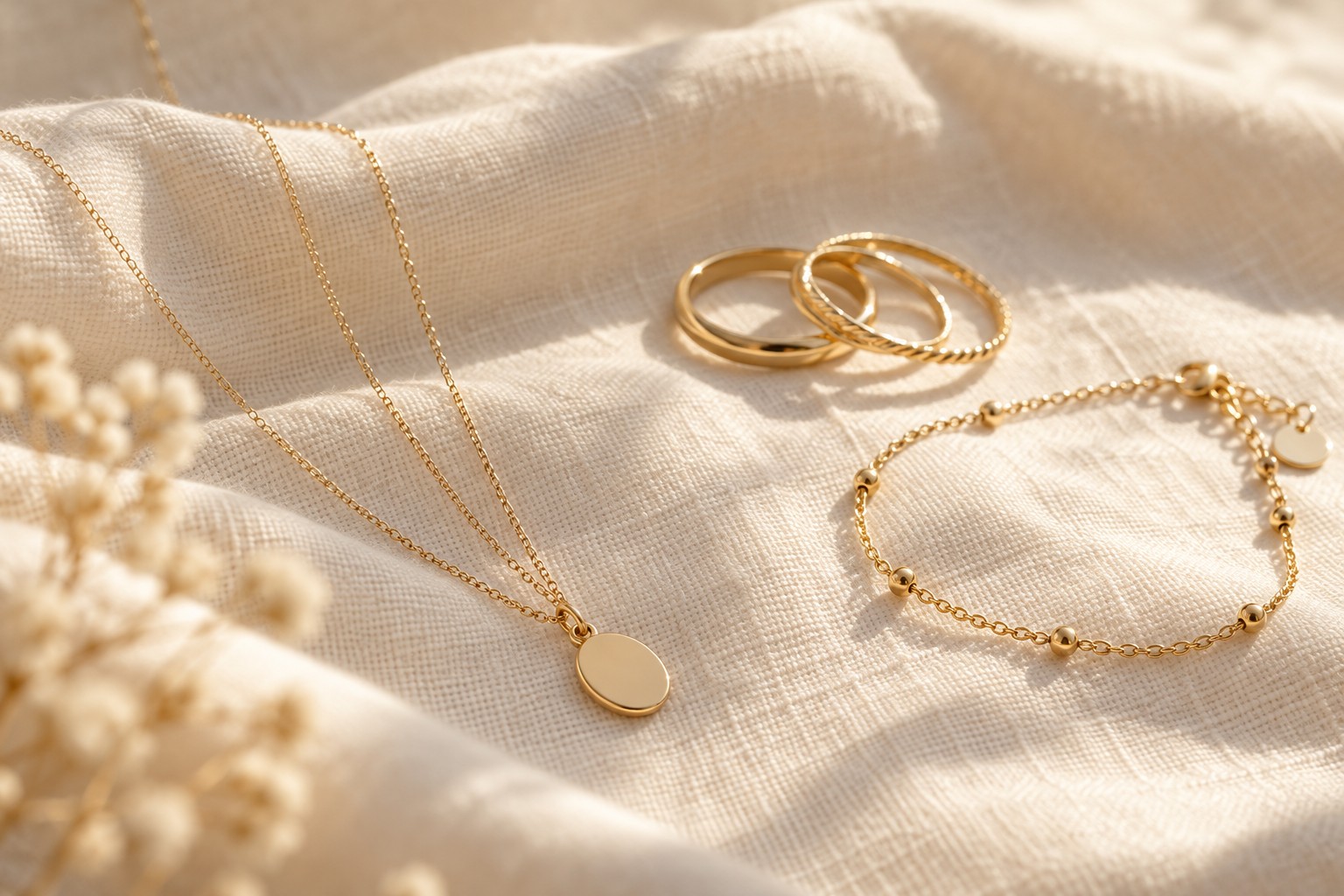
    Try the necklace with a shirt, knit and any layer you wear often. Check that it does not catch at the collar or sit awkwardly against buttons. Preferred length varies; use verified measurements rather than judging from a photograph.

    Ask about materials

    If choosing a gift, ask what the recipient already enjoys and tolerates. Material names, plating, nickel content and care claims need actual product specifications. A photo cannot establish that an item is hypoallergenic, waterproof or precious metal.

    Keep the gesture personal

    A note celebrating a first offer can mean more than a costly item. For a workplace gift, consider the relationship and any gift policy; a modest, thoughtful choice is often easier to receive.

    THE GIFT NOTE 02

    Rings & Bracelet

    Choose pieces that feel good while hands are busy.

    Fit the hand and wrist

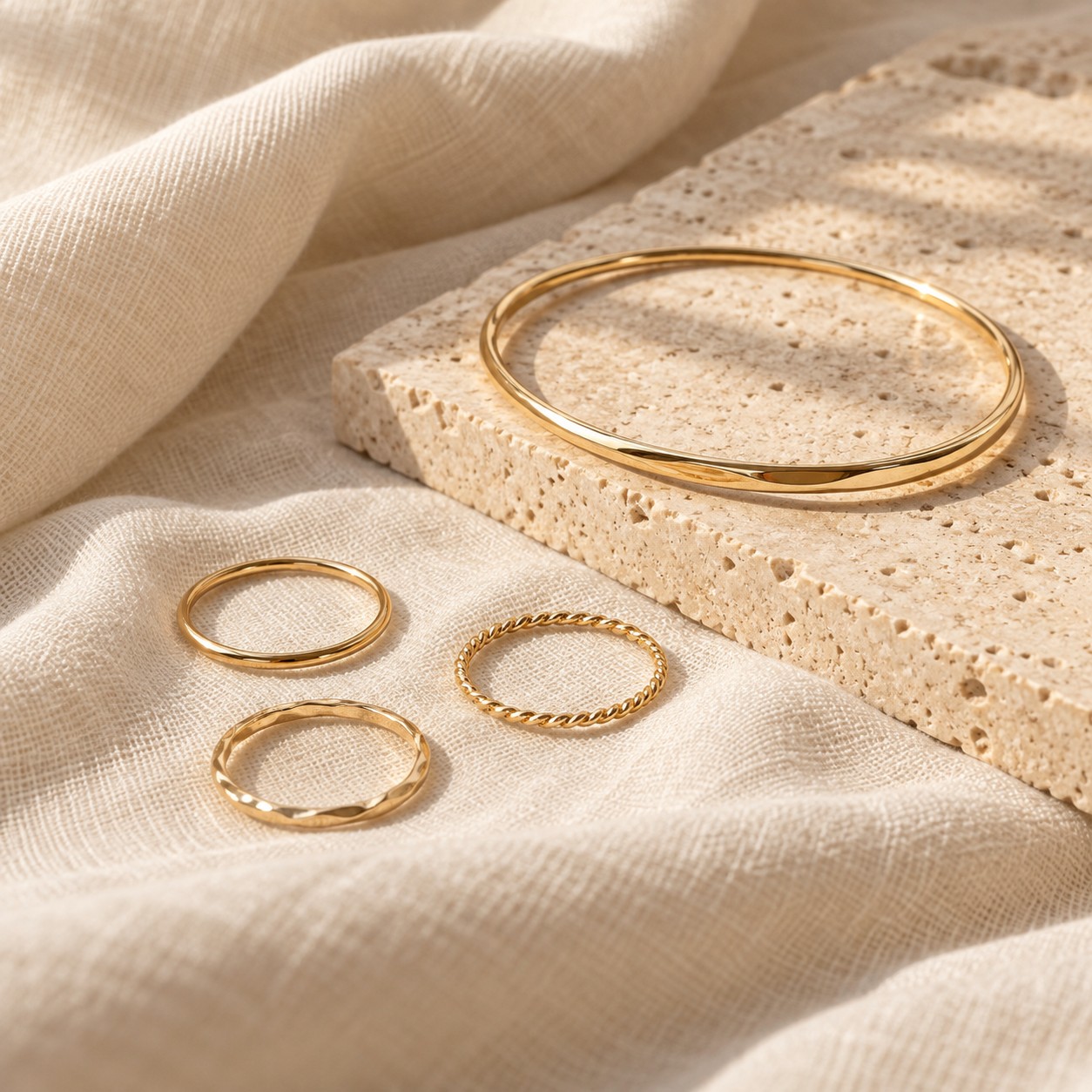
    A ring should feel comfortable during normal movement, and a Bracelet should allow the movement you need without slipping excessively or digging. Size systems vary; check a verified measurement guide and return terms before buying.

    Think about the workday

    Try typing and fastening sleeves. Jewellery may be restricted around gloves, food, clinical tasks or machinery. Keep a small pouch if removing a piece is practical, and do not assume an adjustable design fits every person.

    Choose a gift with consent

    If you do not know a ring size, ask discreetly with the recipient’s agreement or choose a non-sized gift. Do not guess an expensive item’s size and hope a return will be possible.

    THE GIFT NOTE 03

    Keychains & bag charms

    A useful everyday object can carry a little personality.

    Choose weight and attachment carefully

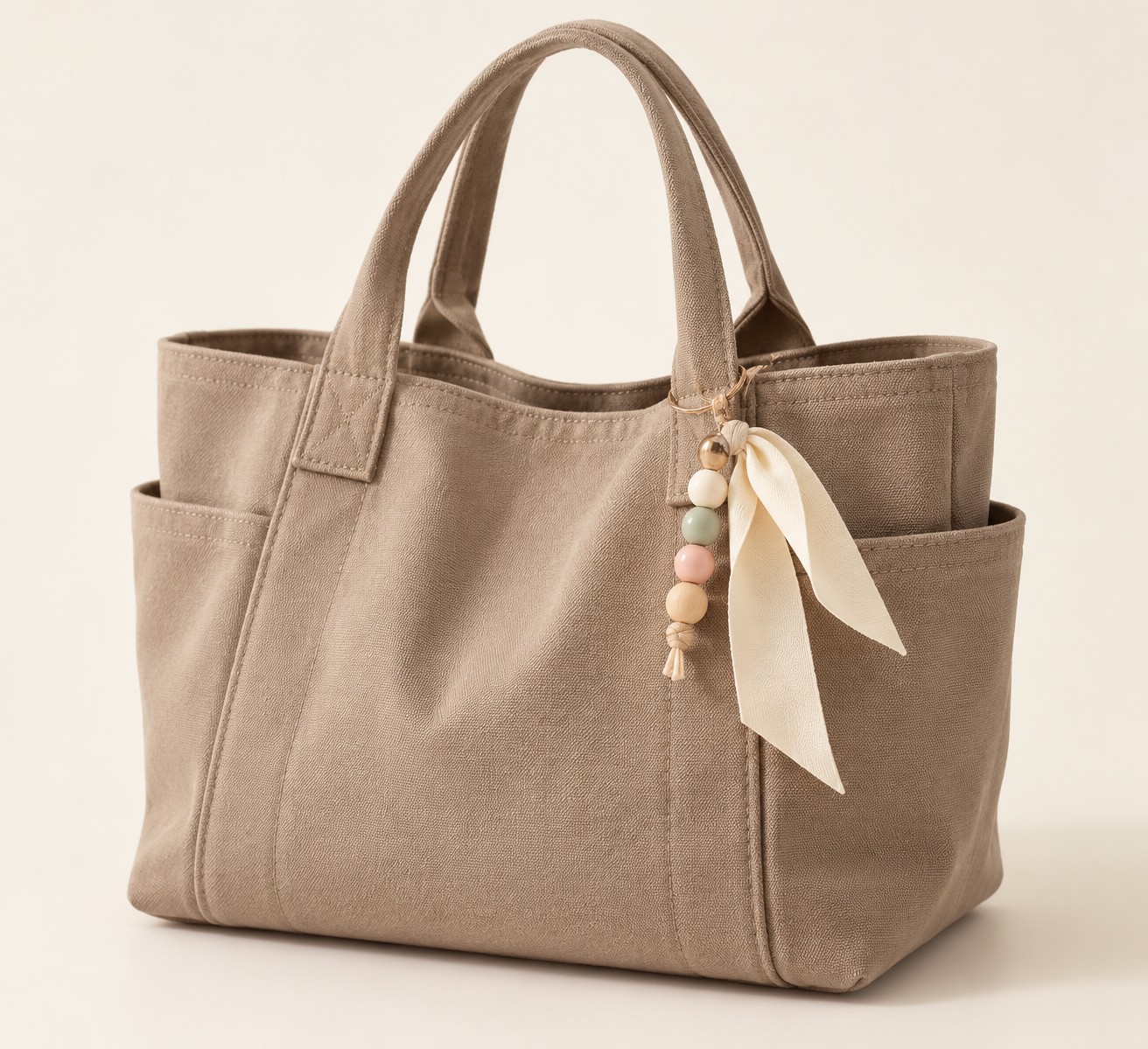
    A heavy charm can pull on a bag; a rough edge can scratch a finish. Check the attachment opening, how securely it closes and whether it interferes with zips or straps. Avoid a piece that makes daily use awkward.

    Match the person, not a trend

    Think about their favourite colours, usual bag and whether they like visible accessories. A simple lightweight keychain may be more useful than a large decorative hanging. An initial or symbol should be chosen with their preferences in mind.

    Keep expectations honest

    A collection preview does not confirm size, material, durability or stock. Wait for the final product details before treating an image as something you can order. Ask questions rather than filling in missing specifications.

    THE GIFT NOTE 04

    A little new-chapter gift

    Celebrate the milestone without turning it into a spending contest.

    Start with the occasion

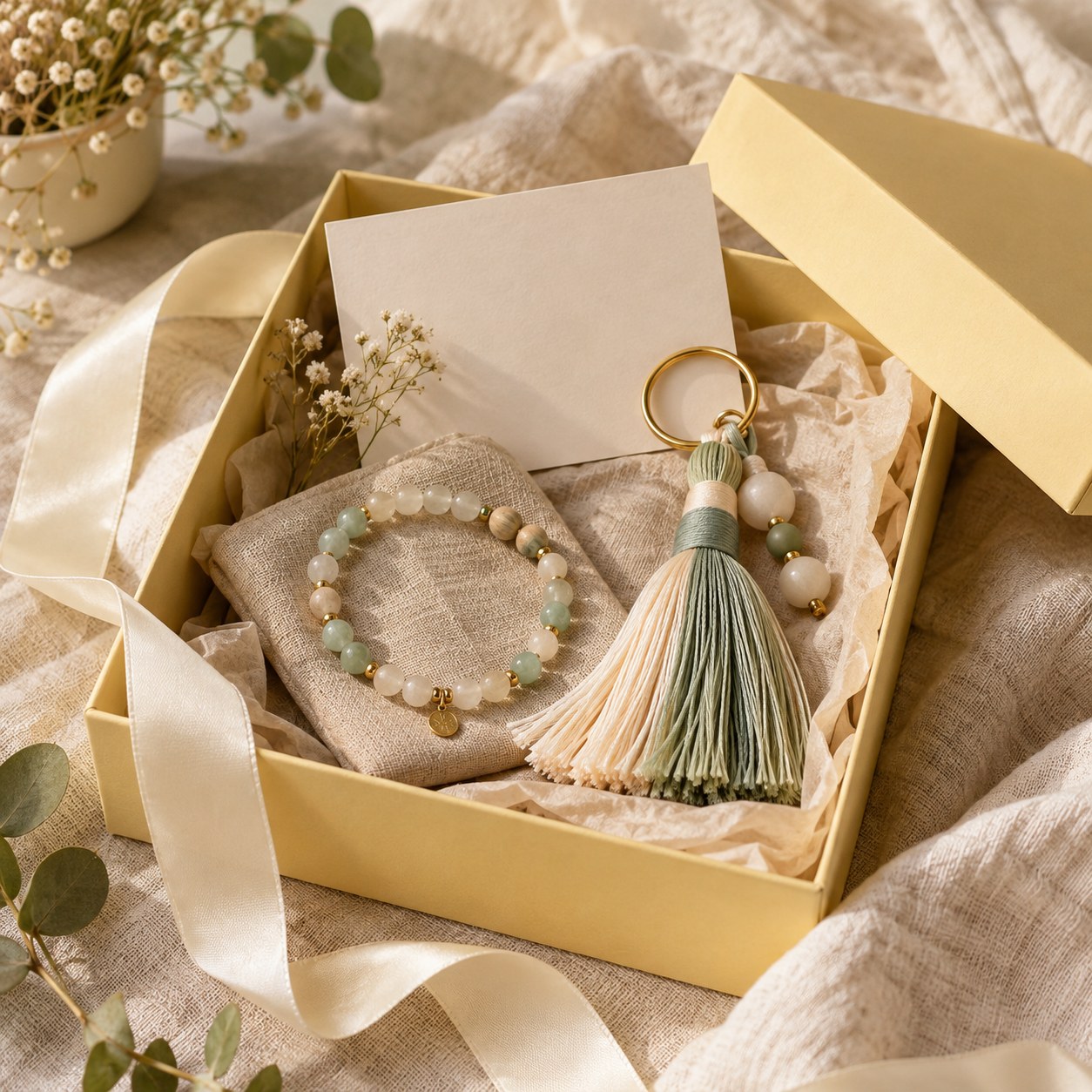
    A first offer, a first day and a friendship thank-you can call for different gestures. Choose a message you want the gift to carry, then set a comfortable spending limit. A handwritten note and a small useful item can be enough.

    Choose something easy to receive

    Consider sizing, sensitivities, storage and workplace rules. If uncertain, ask what the person likes or choose an experience such as a simple coffee together. Avoid a surprise that creates maintenance or financial pressure.

    Write the note

    Try: “Congratulations on your new chapter. I hope this is a small reminder that you do not need to have everything figured out on day one.” Keep it personal rather than making promises about success or how someone should look.

    Before you spend

    Recipient’s preferences · comfortable budget · verified material and size · workplace suitability · published care and return terms. If a detail is missing, ask before choosing.

  • Everyday brows: brush, define, soften

    ← Back to Beauty Basics
    THE PROMISS PLAYBOOK · PRACTICAL GUIDE

    Everyday brows: brush, define, soften

    The goal is not identical eyebrows. It is a little definition you can apply without a ruler, a stencil or a stressful morning.

    SHORT ON TIME? START HERE
    1. Begin with clean brows and a spoolie. Brush the hairs into their natural direction so you can see where you want a little definition.
    2. Choose a brow pencil or powder close to your hair colour, starting slightly softer if unsure. Test with a light touch; adding more is easier than removing a heavy line.
    3. Use short, gentle strokes only in areas you want to fill. Follow the existing brow shape rather than drawing one solid outline.
    4. Brush through again to blend the colour. A little clear brow gel is optional if you prefer extra hold; follow the product instructions.
    5. Step back from the mirror to check the overall balance. Brows do not need to be perfectly identical, and grooming or filling them is always your choice.

    Look before you draw

    Brush hairs into place and step back. Identify only the gaps you want to fill. The inner brow often looks softer than the tail; a sharp solid outline can make an everyday look feel heavier than intended.

    Use small strokes

    Start with a shade close to your brow hair and apply lightly. Make short strokes where needed, then brush through again. Adding gradually gives you control; removing a dark block is harder. Check with your whole face in view.

    Separate grooming from makeup

    You do not have to pluck or reshape to use a brow product. Decide about hair removal when you are not rushing. If you remove more hair than intended, stop rather than repeatedly changing the other side to force symmetry.

    PICTURE THIS

    A real-life moment

    Five minutes before a video call: brush brows, fill one visible gap and step away from the magnifying mirror. Judge the result at normal conversation distance.

    Easy mistakes—and a better starting point

    • Drawing a dark rectangle at the inner brow.
    • Chasing every difference in a tiny mirror.
    • Plucking more to make both sides identical.
    TRY IT IN REAL LIFE

    Your ready-for-the-day checklist

    Tick what you have tried. Progress stays on this device.

    One small thing to try

    Pause halfway through filling your brows. You may need much less product than you expected.

    The questions you might be quietly asking

    How do I start shaping my eyebrows?

    Brush them into place first and see what you actually want to change. Fill small gaps lightly before deciding whether any hair removal is needed.

    What brow colour should I choose?

    Start with a shade close to your brow hair and apply lightly. A softer shade may feel easier than a very dark pencil.

    Why do my brows look too harsh?

    Use shorter, lighter strokes and brush through to soften. Avoid drawing a solid block at the inner corners.

    Must my eyebrows be identical?

    No. Small differences are normal. Aim for a balanced overall look rather than repeatedly removing hair to force symmetry.

    What is easier: brow pencil or gel?

    A pencil is useful for small gaps; gel helps hold existing hairs in place. Start with whichever solves your main concern.

    Can I skip plucking or waxing?

    Yes. Grooming and defining are optional; your natural brows can be your finished look.

    MAKE YOUR NEXT VISIT USEFUL

    What would help you next?

    Choose the question closest to your real day.

    Your 10-minute workday routine ↗

    Your starter makeup bag ↗

    Makeup removal: a gentle evening routine ↗

    Saved on this device. Return when you want to practise another step.
  • Head-to-toe care

    Home / Head-to-toe care
    THE PROMISS PLAYBOOK

    Small rituals.
    A good start.

    Simple hair, face, neck, hand and foot care. Make your routine comfortable, manageable, and yours.

    6 HEAD-TO-TOE CARE GUIDES
    FOR YOUR ACTUAL EVERYDAY

    Small habits, more comfortable days.

    Choose the moment you need help with

    Morning hair and face, hands and feet during a shift, or makeup removal at night: begin with the situation you are in. You do not need to adopt every habit on the same day.

    Make care practical for your role

    Consider gloves, equipment, shared spaces, hair requirements and footwear rules. A practical nail length or fragrance-free routine can make work easier. Grooming advice should fit the task rather than impose a single appearance.

    Let comfort guide the routine

    Introduce changes slowly and follow product directions. Persistent discomfort needs a qualified professional, not another beauty purchase. For tonight, choose a short reset that leaves your essentials ready and gives you time to rest.

  • Your first blazer: fit, layers and everyday use

    ← Back to The style edit
    THE PROMISS PLAYBOOK · PRACTICAL GUIDE

    Your first blazer: fit, layers and everyday use

    A blazer can make several outfits feel connected. It is useful only if you can still type, reach and breathe comfortably inside it.

    SHORT ON TIME? START HERE
    1. Start with your workplace and climate. A blazer can be useful for interviews or meetings, while a cardigan or another neat layer may suit more relaxed settings.
    2. Try it over the top you plan to wear underneath. Check that the shoulders sit comfortably and that you can reach forward, sit down and move your arms without feeling restricted.
    3. Look at sleeve length, buttons and fabric together. A slightly relaxed fit can be practical, but avoid choosing a size only because it looks good while standing still.
    4. Choose a colour that works with clothes you already own. Navy, beige, grey or another familiar colour can create several outfits without buying a complete new wardrobe.
    5. Check the care label and storage needs before buying. Hang the blazer neatly, give it space between wears, and choose a maintenance routine that fits your budget and week.

    Try it over your real top

    Shoulder fit changes when a shirt or knit is underneath. Reach forward, sit and move your arms. If you plan to button it, check that it closes without uncomfortable pulling; many styles also work open.

    Choose a role in your wardrobe

    Is this for interviews, daily air conditioning or client meetings? A light layer may suit one need while a more structured jacket suits another. Choose a colour that works with existing bottoms before buying a whole matching set.

    Include the care cost

    Read cleaning instructions and check whether sleeves need alteration. Hang and store it as appropriate. A blazer you can maintain and enjoy repeatedly is more useful than an expensive piece you are afraid to wear.

    A small decision guide

    When this happensA starting optionCheck before you decide
    Interview layerTry over the actual interview topShoulders and reach
    Everyday officeChoose a colour that works with existing bottomsCleaning and storage
    Warm climateCompare a lighter constructionLining and comfort

    Examples to adapt to your workplace, preferences and comfort.

    PICTURE THIS

    A real-life moment

    You want a blazer for an interview but own no matching trousers. A coordinated separate can work in many settings. Try the complete combination and check the role’s expectations rather than assuming everything must be a suit.

    Easy mistakes—and a better starting point

    • Choosing fit only with arms at your sides.
    • Buying a complete suit before knowing the need.
    • Ignoring sleeve alterations and cleaning.
    TRY IT IN REAL LIFE

    Your ready-for-the-day checklist

    Tick what you have tried. Progress stays on this device.

    One small thing to try

    Try your blazer with three existing tops. Choose one reliable combination for a meeting or interview.

    The questions you might be quietly asking

    How should my first blazer fit?

    Check comfortable shoulders, sleeves and upper-back movement. Try it over the top you intend to wear and sit down with it on.

    Must I button my blazer?

    Not necessarily. Many styles can be worn open. If you plan to button it, make sure it closes without uncomfortable pulling.

    Can I wear a blazer with jeans?

    In a workplace that allows jeans, yes. Choose a combination that suits the dress code and check the jeans’ condition and fit.

    Should my blazer and pants match?

    They can match as a suit or contrast as separates. Try repeating one colour elsewhere to make a mixed outfit feel connected.

    How do I choose a blazer for warm weather?

    Try a lighter fabric and construction, and check the lining. Consider how it feels indoors as well as during your commute.

    What if blazer sleeves are too long?

    Compare another size or cut, or ask about alterations. Check tailoring cost and return terms before buying.

    MAKE YOUR NEXT VISIT USEFUL

    What would help you next?

    Choose the question closest to your real day.

    Shirts: fit, fabric and your first workweek ↗

    Your starter work wardrobe ↗

    Your first week: a plan you can actually follow ↗

    Saved on this device. Return when you want to practise another step.

  • The style edit

    Home / The style edit
    THE PROMISS PLAYBOOK

    Get dressed for
    your next chapter.

    A practical guide to shirts, trousers, skirts, shorts, comfortable foundations, socks and shoes. Build outfits for your workplace, your budget and yourself.

    9 CLOTHING & SHOES GUIDES
    Recent graduate trying a simple first-workday outfit
    THE FIRST-WEEK CLUB

    Five days.
    One confident you.

    No wardrobe overhaul needed. Build a small, repeatable outfit plan for your first week at work.

    FOR YOUR ACTUAL EVERYDAY

    Get dressed for the day you actually have.

    Start with the dress code, then the commute

    Before buying, check the setting and tasks. A client meeting, standing shift and casual office may need different clothes. Plan for the walk to work, air conditioning, movement and laundry as well as the first impression.

    Make an outfit from the inside out

    Choose comfortable underwear, a top and bottom that work together, then shoes and socks suited to the day. Sit and walk in the complete outfit. The shirt and trouser guides explain fit; the foundation guide covers bras and underwear without pressure to reshape your body.

    Build combinations before a shopping list

    Try one shirt with two bottoms, then repeat with another top. Use the capsule guide to spot real gaps and the blazer guide for layers. Save one reliable outfit for a busy morning and another for an interview or meeting.

  • Skirts & dresses: an easy workday option

    ← Back to The style edit
    THE PROMISS PLAYBOOK · PRACTICAL GUIDE

    Skirts & dresses: an easy workday option

    A skirt or dress can simplify a morning—provided it also works when you sit, walk and reach for the top shelf.

    SHORT ON TIME? START HERE
    1. Check your workplace dress code before choosing a skirt or dress. Expectations for length and coverage vary; choose something you can sit, walk and move in comfortably.
    2. Start with a simple shape that you enjoy wearing. An A-line skirt, straight skirt or relaxed work dress can be easy to style, but comfort matters more than following one particular silhouette.
    3. Check the fabric in daylight and while seated. Look for comfortable opacity and movement, and consider whether the item needs a lining or a comfortable layer underneath.
    4. Pair a plain skirt with a shirt, soft knit or simple top. A work dress can be a complete starting point, with a cardigan or blazer added if the room is cool.
    5. Try the outfit with your everyday shoes before a full workday. Check hems, pockets and any fastening, and follow the care label so the piece stays easy to wear.

    Try real movement

    Sit in a chair, walk a few steps and check how the garment moves. A length that looks comfortable standing can feel different seated. Workplace rules and your own comfort guide coverage; there is no universal correct hemline.

    Check fabric and fastenings

    Look at opacity in daylight and movement, not only on a hanger. Check lining, waist seams and closures. A dress with easy care may be more useful than a complicated one that needs help fastening or special maintenance you cannot manage.

    Build a complete outfit

    Try a skirt with a shirt or soft knit; a dress can be a starting outfit by itself. Add a layer if useful for air conditioning. Compare your usual flats, loafers or permitted footwear, then check that the hem does not catch as you walk.

    A small decision guide

    When this happensA starting optionCheck before you decide
    Long seated meetingTry the length and waistband in a chairNo repeated adjusting
    Warm commute, cool officeSimple dress plus removable layerComfort in both settings
    Transparent fabricTry a suitable lining or choose another fabricDaylight and movement

    Examples to adapt to your workplace, preferences and comfort.

    PICTURE THIS

    A real-life moment

    You like a fitted skirt but keep pulling it down every few steps. Try a different cut or length. Spending the workday adjusting a garment is useful feedback about fit, not about your body.

    Easy mistakes—and a better starting point

    • Judging length only standing.
    • Ignoring transparency.
    • Buying a dress without checking the closure.
    TRY IT IN REAL LIFE

    Your ready-for-the-day checklist

    Tick what you have tried. Progress stays on this device.

    One small thing to try

    Style one skirt or dress in two ways using shoes and layers you already own.

    The questions you might be quietly asking

    How do I choose a work skirt?

    Check the dress code, fit and movement. Sit, walk and use stairs if possible to see whether the length and coverage feel comfortable.

    Is there one correct skirt length for work?

    No universal length applies. Workplace requirements, tasks and your comfort should guide the choice.

    What dress is easiest for a first work wardrobe?

    A comfortable dress you can sit and move in, with easy care and suitable coverage for your workplace. Choose a layer and shoes you already own.

    What shoes go with a midi skirt?

    Flats, loafers, ankle boots or other comfortable shoes can work. Compare the hem and shoe together and check walking comfort.

    What can I do if a dress is see-through?

    Try a suitable lining or slip, or choose a different fabric. Check in daylight before deciding; you do not have to keep an uncomfortable garment.

    Can I wear a sleeveless dress at work?

    It depends on the policy and setting. A cardigan or blazer gives you an extra option, but confirm specific requirements if unsure.

    MAKE YOUR NEXT VISIT USEFUL

    What would help you next?

    Choose the question closest to your real day.

    Shirts: fit, fabric and your first workweek ↗

    Your starter work wardrobe ↗

    Your first week: a plan you can actually follow ↗

    Saved on this device. Return when you want to practise another step.

  • Nail care: small habits for everyday hands

    ← Back to Head-to-toe care
    THE PROMISS PLAYBOOK · PRACTICAL GUIDE

    Nail care: small habits for everyday hands

    You can have cared-for hands without booking a salon appointment. Start with a length and finish that let you use them comfortably.

    SHORT ON TIME? START HERE
    1. Start with clean hands and nails. Keep the length comfortable for typing, handling equipment and any hygiene rules in your role.
    2. Use a clean, suitable nail file to smooth rough edges gently. Aim for a practical shape rather than removing a lot at once.
    3. Keep cuticle care gentle. Avoid cutting or aggressively pushing the skin around the nail; moisturise the area as part of your usual hand-care routine if comfortable.
    4. Polish is optional. If you wear it, follow the product directions and your workplace requirements, and use a suitable remover when taking it off.
    5. Keep personal grooming tools clean and dry, and do not share them. Seek qualified advice for a nail change or discomfort that does not settle rather than covering it up.

    Let your tasks set the length

    Try typing, fastening jewellery and using any gloves or equipment required for your role. Some workplaces restrict artificial nails, polish or length. Check before paying for a service you cannot use at work.

    Keep shaping gentle

    Use clean tools to smooth rough edges without removing a lot at once. Do not cut or aggressively push back cuticles. Moisturize if comfortable. Seek qualified advice about persistent pain, swelling or changes rather than hiding them under colour.

    Choose a finish you can maintain

    Bare, clear and coloured nails can all be valid where allowed. If polish chips and that bothers you, remove it or refresh it; you do not need to keep a damaged finish because it cost money. Include removal and maintenance in any salon budget.

    PICTURE THIS

    A real-life moment

    Your first week includes handling stock and opening boxes. A practical short length may be easier than your usual weekend style. You can keep your personal preference for days when it works with your tasks.

    Easy mistakes—and a better starting point

    • Ignoring hygiene policy.
    • Cutting irritated skin.
    • Feeling that chipped polish must be covered with more layers.
    TRY IT IN REAL LIFE

    Your ready-for-the-day checklist

    Tick what you have tried. Progress stays on this device.

    One small thing to try

    Try a bare-nail week with simple care and see whether it makes mornings easier.

    The questions you might be quietly asking

    What nail length works for a first job?

    Choose a comfortable length that supports your tasks and meets policy. Shorter nails may be practical for typing, gloves or hands-on work.

    Which nail colour is professional?

    There is no universal colour. Check policy; clear polish, a subtle shade or bare nails are easy options when you are unsure.

    What should I do about chipped polish?

    Remove or refresh it if you want a more even look. Bare nails are a complete option.

    Should I cut my cuticles?

    Avoid cutting or aggressively pushing them back. Keep handling gentle and seek professional advice for pain, swelling or persistent changes.

    Can I use artificial nails in food or healthcare work?

    Follow the workplace’s hygiene and glove policies. Some roles restrict artificial nails, length or polish.

    How can I keep nails tidy on a budget?

    Keep a comfortable length, smooth rough edges and moisturize as needed. Salon appointments and gel products are optional.

    MAKE YOUR NEXT VISIT USEFUL

    What would help you next?

    Choose the question closest to your real day.

    The evening reset ↗

    Hair, face & neck ↗

    Your first week: a plan you can actually follow ↗

    Saved on this device. Return when you want to practise another step.